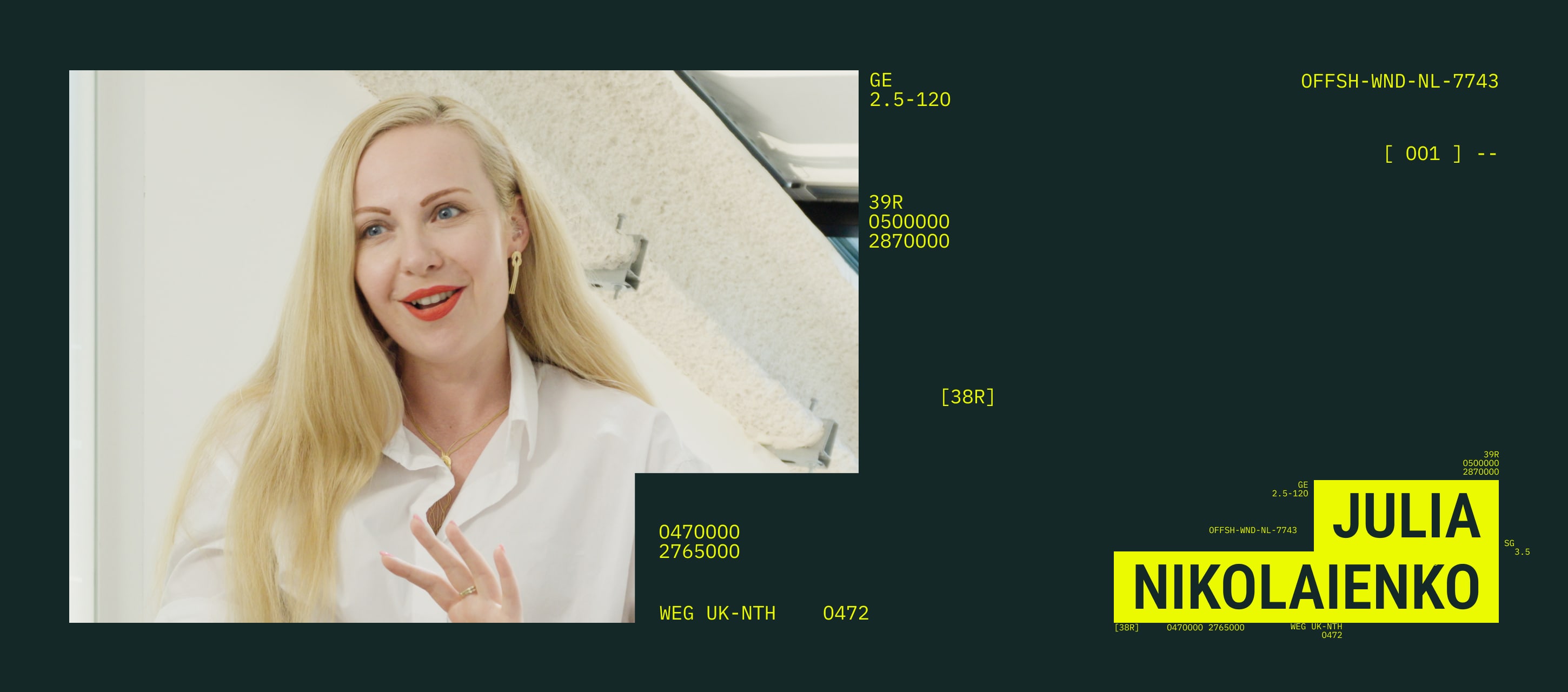
Julia Nikolaienko, Executive Director at Fluix, has been with the company since day one, shaping its vision and team growth. So we sat her down for a no-fluff convo about leadership lessons, building resilient tech, and what it really takes to scale field productivity.
ON HOW FIELD PRODUCTIVITY HAS EVOLVED
Ten years ago, “field productivity” mostly meant digitizing checklists and getting rid of paperwork. It was a numbers game: how many checklists can you digitize? But that’s no longer enough.
Now, it is about clarity, autonomy, and connection. You’re giving people the tools and the context to make informed decisions and not just complete tasks faster. And it’s headed toward enabling frontline teams to improve processes, not just execute them.
ON WHY EARLY TECH MISSED THE MARK
Most early digital tools were built for the office. They tried to force desktop logic into the field reality, and that disconnect was obvious the minute you put both office staff and the field team in one room. Offline access was an afterthought. Interfaces were clunky and an overkill. And most of all, field teams weren’t part of the design process.
ON THE TOOLS THAT STICK
The winners right now are the tools that respect people’s time and context. Tools that launch fast, work offline, feel intuitive. In my opinion, those stick. They don’t try to be everything at once; they solve a real problem and do it reliably.
You’ll also notice that the best ones don’t just capture data. They structure it in a way that helps teams act in the moment and leadership plan with confidence.
ON THE BIGGEST TECH ROLLOUT MISTAKE
Leaders still tend to roll tech at the field and not with the field. Field teams shouldn’t be the last to know. They should be the first to test.
Rolling out software without involving users is like designing a plane without pilots. The result? Resistance, confusion, and missed ROI.
ON WHAT’S CUTTING THROUGH THE HYPE
Real-time data is doing the heavy lifting right now – not in a flashy dashboard, but in the form of context-rich updates that help crews act on the spot.
Pair that with a mobile-first, offline-capable platform, and you’ve got something teams actually use.
AI? Still finding its feet in the field. It shows real promise in niche cases like predictive maintenance, but it’s far from plug-and-play.
ON AI’S ROLE BY 2030
By 2030, AI will be the assistant in your pocket. It’ll flag issues, suggest next steps, and take care of the routine stuff.
But here’s the caution: “AI can’t replace human judgment. The moment you pretend it knows more than your crew on the ground, you lose trust—and that’s hard to get back.”
The best use case? Tools that let the field lead, with AI in support—not surveillance.
ON WHAT FIELD TEAMS REALLY NEED NEXT
Simplicity and trust. The tech needs to work every time, regardless of internet, weather, or urgent updates. Field teams don’t need more dashboards; they need tools that are fast, predictable, and supportive in stressful moments. Also, the ability to flag issues and be heard. Basically, tools should empower, not just record.
ON DESIGNING TECH FOR PEOPLE
Tools shouldn’t just serve compliance or reporting. They should support the person doing the job. Build for the field first. Then back into your dashboards.
In my opinion, feedback loops are key here. When field teams can shape how tools evolve, everyone wins.
ON WHAT A 2030-READY PLATFORM LOOKS LIKE
If we were building the ideal field tool from scratch, here’s the must-have list:
- Offline-first by default
- Voice-to-text or hands-free data capture
- Built-in safety and compliance checks
- Real-time collaboration (only when it matters)
- Configurable by non-tech users
- Transparent AI use with privacy controls
- Simple. Stable. Resilient.
And above all – field-first design. Not as a feature, but as a philosophy.
FINAL ADVICE FOR FIELD OPERATIONS LEADERS
Don’t just ask what a tool does. Ask if your team will want to use it. And will it still work when conditions change?
Because the right tool doesn’t just help you do more. It helps your people think better, act faster, and feel more in control. That’s the kind of productivity that lasts.